


Planning guide · Demolition & remodeling
Before the first wall comes down: what a careful demolition looks like in an older Bay Area home, and the checks that have to happen first.
- 11 minute read
- Updated October 6, 2026
- Sources: BAAQMD · CSLB · EPA · CALGreen
The short answer
Demolition before a remodel is not about swinging a hammer. It is removal in a planned order, after you know what is inside the walls, ceilings and floors. In a Bay Area house built before the late 1970s, three questions come first: could any material contain asbestos or lead paint, do any permits or air-district notices apply, and where will the debris go?
Answer those before the first wall opens and demolition rarely becomes the part of the project that goes wrong. Skip them and a one-day tear-out can turn into a stop-work, a testing delay and a change order.
Four things to know first
- 1
Test, don't guess
The state contractors board says no one can tell by looking whether a material contains asbestos. If you can’t confirm, it advises treating the material as if it does.
- 2
Notice before noise
The Bay Area Air Quality Management District asks for notice 10 business days before every demolition, and before renovations that remove set amounts of asbestos.
- 3
Lead rules follow the paint
In homes built before 1978, EPA’s lead-safe rules apply to paid work that disturbs painted surfaces. The small-job exception does not cover demolition or window replacement.
- 4
Debris is part of the scope
Recycling rules and city deposit programs can apply to remodels. Ask how your contractor will sort, haul and document what comes out.
Selective demolition vs. full demolition
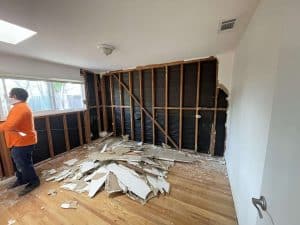
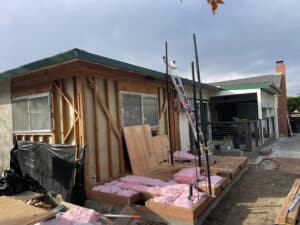
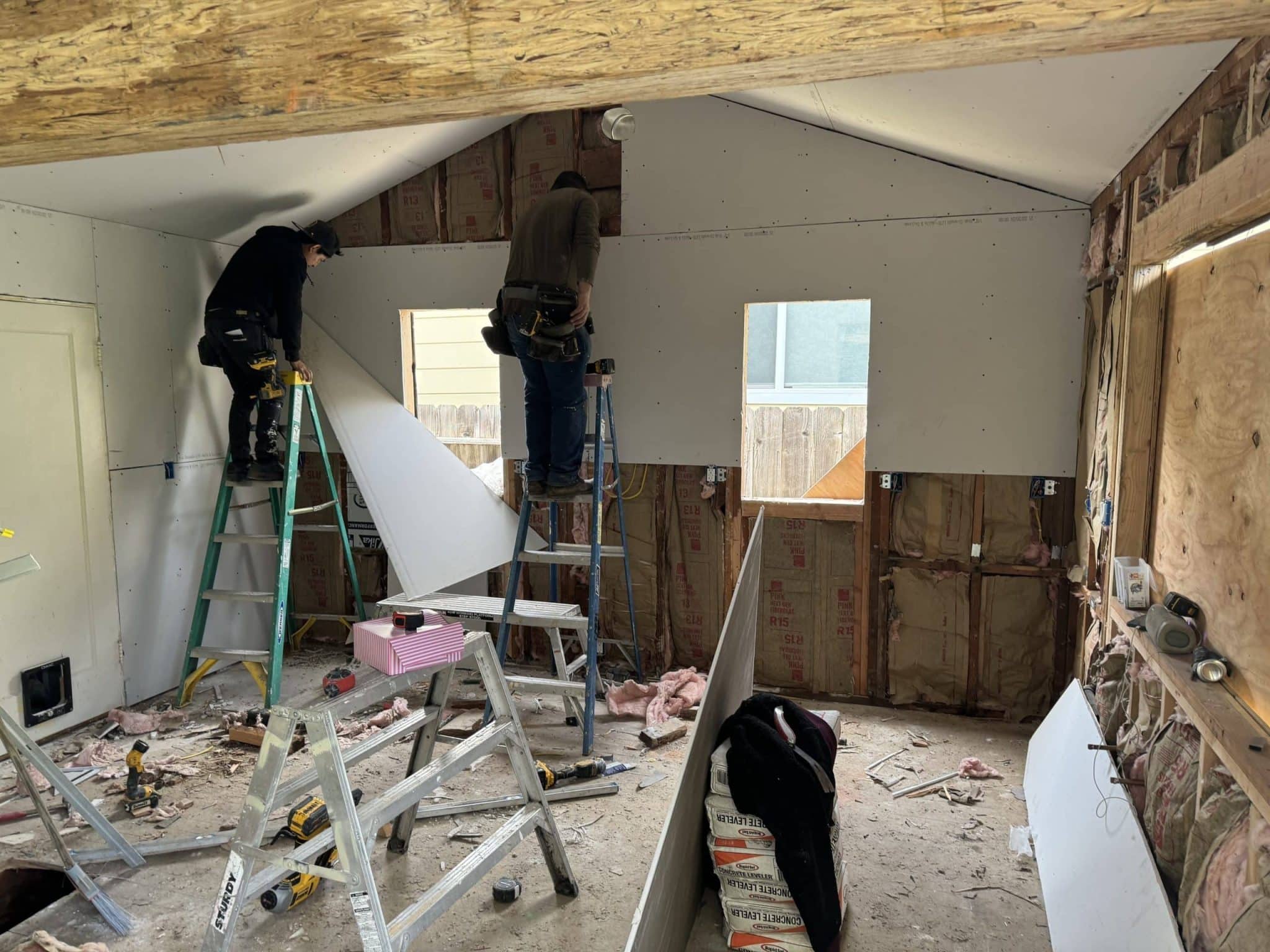
Most remodels need selective (sometimes called interior or strip-out) demolition: finishes, fixtures and non-structural walls come out, and the structure stays. Full or structural demolition changes the building itself. The two carry different risks and different paperwork, so it helps to name which one your project is before you collect bids.
| Selective / strip-out | Structural opening | Whole-structure demolition | |
|---|---|---|---|
| What comes out | Cabinets, flooring, fixtures, drywall, non-load-bearing partitions | Load-bearing wall or roof sections, with a plan for what carries the load instead | The building or a major part of it |
| Typical projects | Kitchen and bathroom remodels, full home renovations | Open-plan conversions, room additions, second-story work | Teardowns and rebuilds |
| Main hidden risks | Asbestos and lead in older finishes, old wiring and plumbing behind walls | Everything in selective demo, plus framing that is not what the drawings assume | All of the above, plus utilities, foundations and neighboring structures |
| Paperwork angle | Usually handled inside the remodel’s building permit; ask your building department | Needs structural details; confirm requirements with the city | Air-district notice applies to every demolition; separate city permits are typical |
If you are unsure which row you are in, a site visit settles it quickly. The honest answer is sometimes “selective, until we open the wall and find something that changes the plan,” which is exactly why the checks below come before demolition day.
What may be behind your walls
Age tells you what to be suspicious of. The California Contractors State License Board (CSLB) publishes a consumer guide to asbestos in the home, and the pattern is consistent: the materials of concern are common finishes, not exotic ones. Each card opens a short action list.

Textured and sprayed ceilings
The contractors board notes that a crumbly sprayed or troweled coating was used on ceilings and walls in many buildings from this period, and that some of it contained asbestos.
Vinyl tile, sheet flooring and adhesive
Asbestos was added to some vinyl tiles, the backing of some sheet flooring and some adhesives. Fibers can be released when material is sanded, scraped or seriously damaged.

Patching compound and textured paint
Joint and patching compounds containing asbestos were banned in 1977, and some textured paint sold before 1978 contained it. Sanding and scraping release fibers.
Furnace, stove and pipe insulation
Older furnaces and wood stoves can have asbestos-containing insulation, cement sheet or door gaskets. Swapping a heating system can disturb it.
Painted trim, doors and windows
Homes built before 1978 may have lead-based paint. Window replacement and demolition are specifically excluded from EPA’s small-job exemption.
Why this matters before demolition, not after. The CSLB guide advises leaving undamaged asbestos-containing material alone. Demolition is the moment that stops being possible, which is why testing and planning belong in the pre-construction phase.
The rules, in plain English
Four sets of rules touch most older-home demolition. This summary was checked against the agencies’ own pages in October 2026. Rules and fees change, and this is a planning guide, not legal advice, so confirm specifics with the agency or your building department.
Air-district notification
The Bay Area Air Quality Management District must receive notice at least 10 business days before every demolition, regardless of asbestos content, and before renovations that remove 100 sq. ft. or more, 100 linear ft. or more, or 35 cubic feet or more of asbestos. For residential buildings with four or fewer units, the District lists a 72-hour option that carries an additional fee.
Asbestos work and licensing
CSLB states that asbestos work involving 100 square feet or more of surface area requires a contractor with the asbestos certification, and that Cal/OSHA registers asbestos-abatement contractors. Smaller jobs are still regulated by Cal/OSHA, including disposal.
Lead-safe work practices
For paid work in pre-1978 homes, EPA requires certified firms and lead-safe work practices when painted surfaces are disturbed. The minor-work exclusion (6 sq. ft. per room indoors, 20 sq. ft. outdoors) does not apply to window replacement or demolition.
Debris recycling
California’s green building code (CALGreen) sets construction-waste diversion requirements, and many cities add their own. San Jose’s Construction and Demolition Diversion Deposit program, for example, covers residential alterations above a minimum valuation. Confirm current terms with your city before you budget.
Source: San Jose CDDD program
Who does what
Part of the confusion around demolition is that several parties each own a piece. This is how responsibility usually divides.
| Who | Their job | Ask them |
|---|---|---|
| You (the homeowner) | Share the home’s age and any known past work; approve the scope; decide whether to stay in the house | “What would make you stop the job?” |
| General contractor | Scopes the work, sequences trades, handles permits, protects the home, manages debris | “Is demolition priced as its own line item, including disposal?” |
| Testing consultant / lab | Collects and analyzes samples of suspect materials; reports results in writing | “Which materials did you sample, and which did you not?” |
| Abatement contractor | Removes asbestos-containing material when required, under state licensing and registration | “Are you registered with Cal/OSHA, and can I see the license?” |
| Building department / Air District | Permits, inspections and the notifications described above | “Is a separate demolition permit needed for this scope?” |
The demolition sequence, step by step
Order matters. Done in sequence, demolition protects the parts of the house you are keeping and leaves the next trade a clean, documented starting point.
Walkthrough and documentation
Photograph the existing conditions, mark what stays and what goes, and note anything you already know about past work, leaks or old repairs.
Hazard screening
Identify suspect materials by the home’s age and condition, then sample before they are disturbed. Results come back in writing; the plan changes if something tests positive.
Permits and notices
The remodel permit is applied for, and any air-district notification is filed with its lead time in mind. The notice dates are fixed dates, not a loose window.
Protect the house
Shut off and cap utilities where needed, cover floors and openings you are keeping, seal the work zone from the rest of the house, and cover HVAC registers so dust does not travel.
Strip out in order
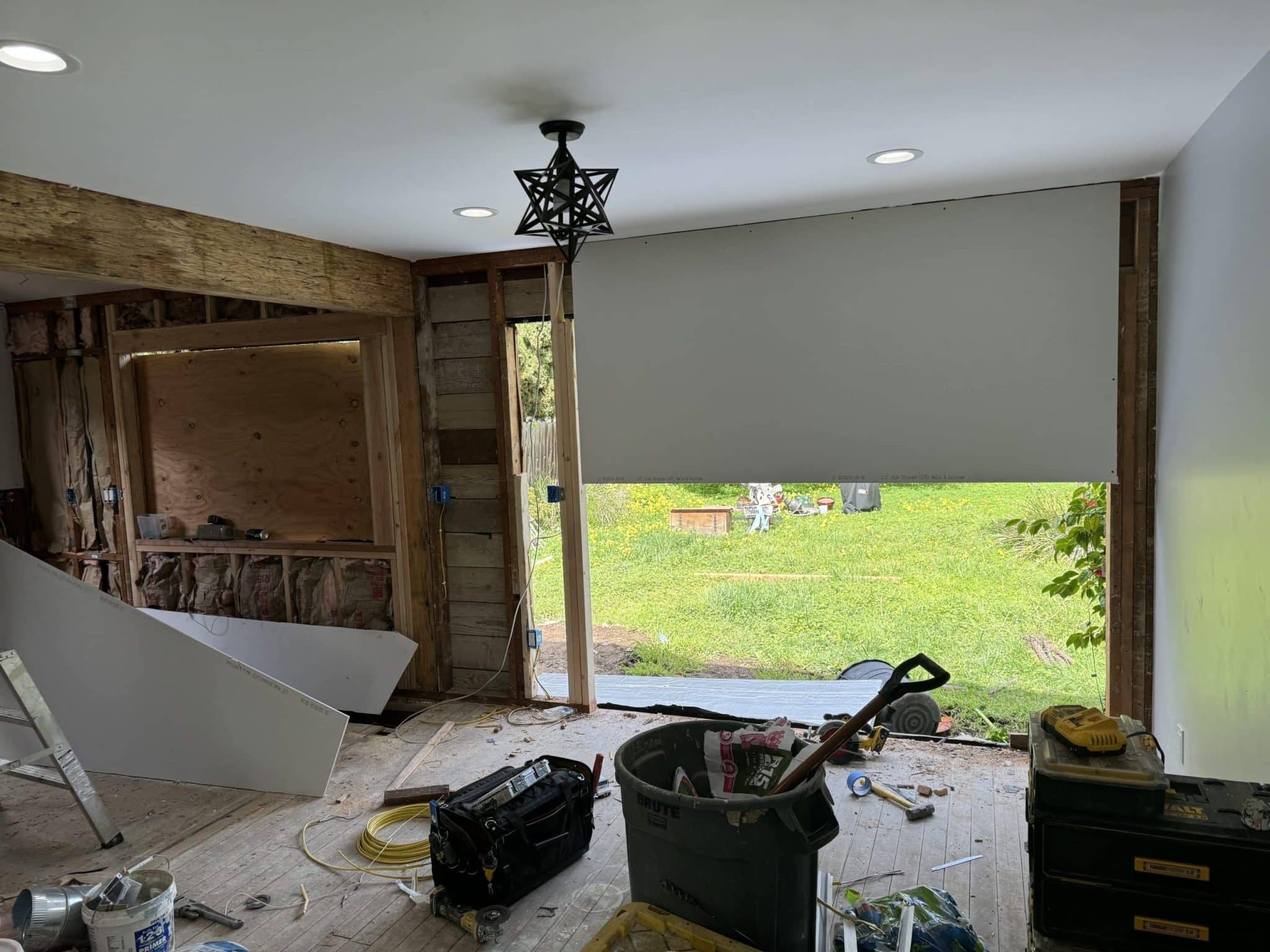
Remove from the finish side inward: fixtures and cabinets, then flooring and wall finishes, then any partitions the design removes. Structural changes follow the engineered plan only.
Handle surprises on paper
When a wall opens onto rot, outdated wiring or framing that does not match the drawings, stop, document it, and agree the change in writing before continuing.
Sort, haul, document
Separate materials for recycling or reuse, keep weight tickets and receipts, and confirm the paperwork your city requires. Then clean the space so framing and rough-in can begin.
What moves the cost
Demolition pricing is easy to misread, because the same square footage can be a quick strip-out or a regulated, multi-step job. We are not quoting numbers here because they depend on the house. These are the factors that move them:
- Hazardous materials. Testing, any required abatement and the notification timeline.
- Access. Stairs, tight hallways, no driveway space for a debris container, and long carries all add labor.
- Disposal and diversion paperwork. Sorting and documenting recycling takes time, and deposits may be involved.
- Structure. Load-bearing changes require engineering, temporary support and inspections before anything is removed.
- Occupancy. Working around a family that still lives in the house means more containment and tighter daily cleanup.
- Unknowns. Old wiring, plumbing and framing behind the finishes are the usual reason a scope changes mid-job.
When you compare bids, ask for demolition and disposal as separate line items so you can see what each contractor assumed.
Pre-demolition readiness checklist
Check each item before demolition day
Tick items as you confirm them. On this device your progress is remembered, and nothing is sent anywhere.
0 of 10 checked
Questions homeowners ask
Do I need a permit to demolish interior walls?
It depends on the wall and the city. Removing non-structural partitions is commonly covered by the remodel’s building permit, while load-bearing changes need structural details and inspections. Whether a separate demolition permit is required varies by jurisdiction, so ask your building department before work starts. Demolishing a structure also triggers the air-district notice described above.
Do I have to test for asbestos before a remodel?
The CSLB guide says no one can identify asbestos by sight, and recommends treating an unconfirmed material as if it contains asbestos. If your project will disturb older finishes, testing first protects your family and your schedule. Separately, the Air District sets notification thresholds for renovation that removes asbestos, so your contractor should know whether they apply.
What should I do if asbestos turns up in the middle of the job?
Stop work in that area, do not sweep or vacuum the dust, keep people out of the space, and have the material tested. If it is confirmed and has to be removed, use an appropriately licensed and registered abatement contractor. The CSLB guide notes that licensing requirements apply at 100 square feet, and that Cal/OSHA regulates asbestos work of any size.
Can I do the demolition myself to save money?
Homeowners can legally do much of their own tear-out, but it is rarely a place to save. Older finishes may contain asbestos or lead, utilities run through walls, and disposal is regulated. The CSLB guide specifically warns that even small asbestos jobs carry the same health risk and are regulated. If the house is older than 1978, test before you touch it.
Can we stay in the house during demolition?
Sometimes. A single-bathroom remodel can be isolated from the rest of the home with containment, while a full renovation or anything involving regulated materials usually calls for moving out for the dusty phase. Raise it at the estimate stage so it is priced and planned, not improvised.
Is demolition included in a remodel price?
It should be, but it should also be visible. Ask for demolition, hauling and disposal as separate line items, and ask what is assumed about hidden conditions, so you can compare bids on the same basis.
Sources and next steps
Where to read the originals yourself:
- BAAQMD: Asbestos Demolition and Renovation Notification, notification timing and thresholds.
- CSLB: A Consumer’s Guide to Asbestos, where asbestos is found in homes and licensing at 100 square feet.
- EPA: Renovation, Repair and Painting Program, lead-safe requirements for pre-1978 housing.
- California Building Standards Commission: CALGreen, the state green building code, including construction-waste provisions.
- City of San Jose: Construction and Demolition Diversion Deposit, an example of a local debris program.
- CSLB license check, to verify any contractor’s license and classifications. Quartz Construction & Remodeling’s license number is 1003436.
Facts in this guide were checked against these pages in October 2026. Regulations and fees change, so verify before you rely on them.
