


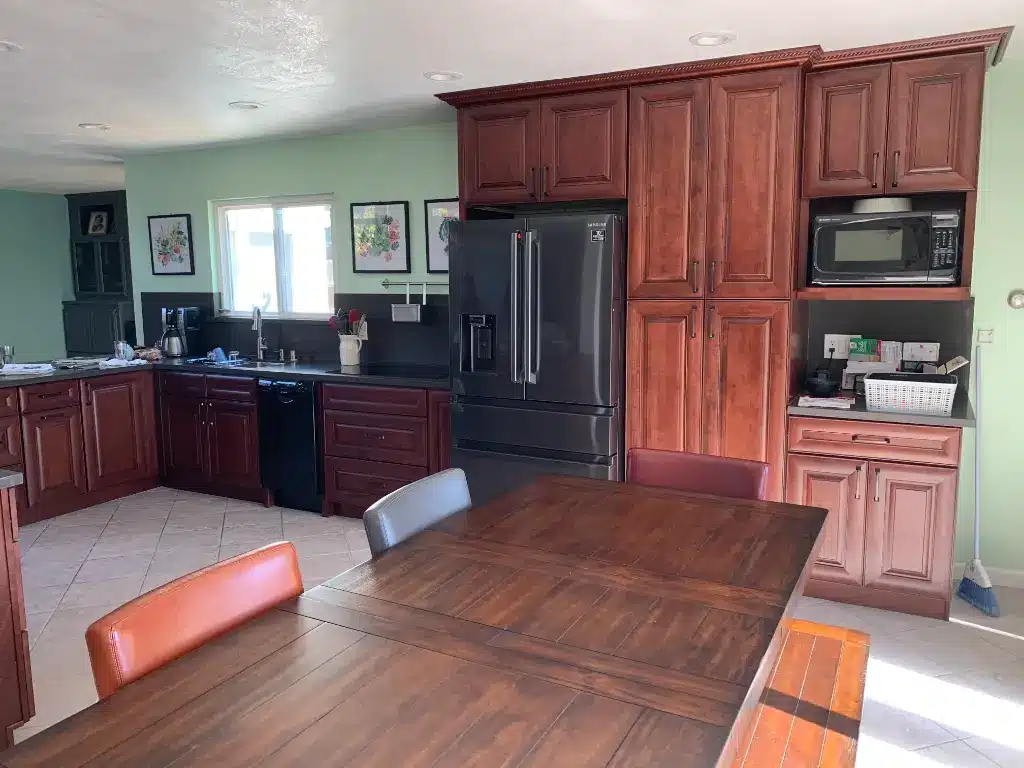
Thinking about remodeling your kitchen? You’re making a big decision. But here’s what matters most: creating a space that’s good for you and the planet. A sustainable kitchen design reduces waste, saves energy, and makes your home healthier. You don’t need to compromise on style either. Modern eco-friendly options look amazing while protecting the environment. The best part? Many of these choices actually save you money over time. Your kitchen can be beautiful, functional, and responsible all at once.
What Makes a Kitchen Truly Sustainable?
Let’s break this down. A sustainable kitchen design focuses on three main things: materials, energy use, and waste reduction. It’s not about being perfect. It’s about making better choices where you can.
Think about where your materials come from. Are they renewable? Can they be recycled later? These questions matter. Also consider how much energy your space uses daily. Lighting, appliances, and heating all add up. Finally, look at waste. Can you repurpose old cabinets? Could you compost food scraps? Small changes can have a significant impact when combined. Every element of sustainable kitchen design works together to reduce your environmental footprint.
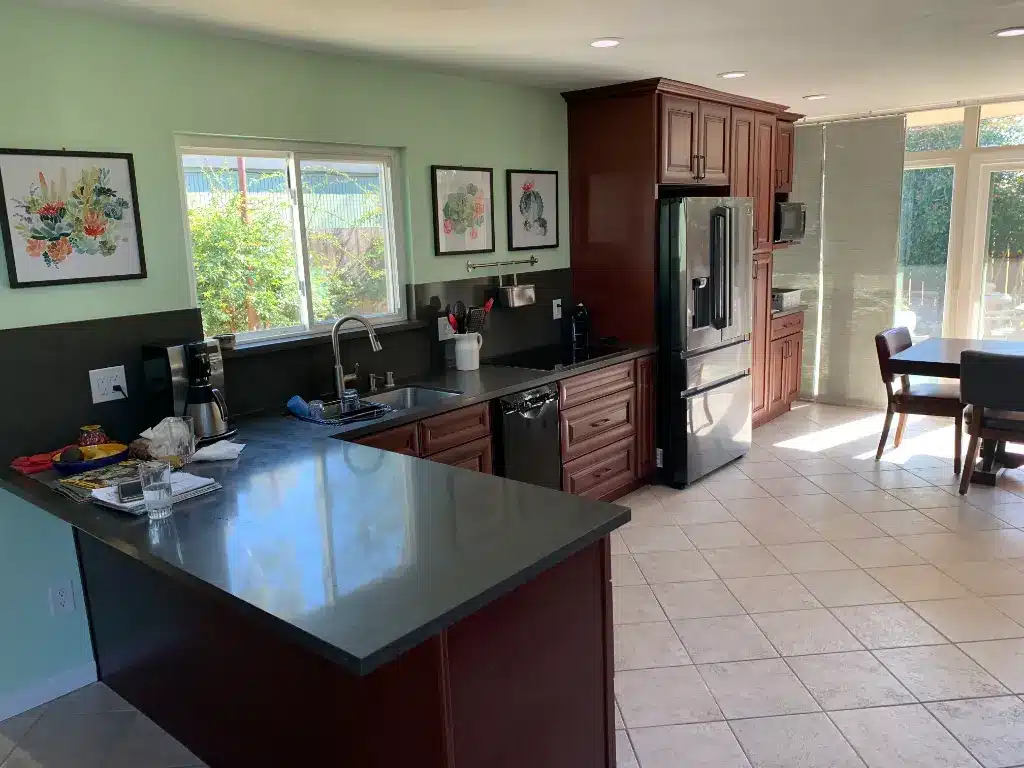
Choosing Eco-Friendly Materials for Your Sustainable Kitchen Design
Here’s where sustainable kitchen design gets exciting. You have tons of great options now. The materials you pick set the foundation for everything else. They affect air quality, durability, and your carbon footprint.
Modern eco-friendly materials perform just as well as traditional ones. Sometimes they’re even better. Plus, they often come with unique textures and colors you won’t find elsewhere. You’re not sacrificing anything by going green. In fact, sustainable kitchen design opens up creative possibilities you might not have considered before.
Cabinets and Flooring Options
Bamboo grows incredibly fast, making it super renewable. It’s tough, too, handling daily wear without problems. FSC-certified wood comes from responsibly managed forests. This certification guarantees sustainable harvesting practices.
For flooring, reclaimed wood adds character while reducing waste. Cork is another winner. It’s naturally antimicrobial and feels great underfoot. Both options bring warmth and style to your space. They also stand up to spills and foot traffic surprisingly well.

Countertops and Backsplashes
Recycled glass countertops sparkle beautifully under your lights. They’re made from old bottles and windows that would otherwise sit in landfills. Recycled composite materials combine sustainable ingredients to create durable surfaces.
Paper composite countertops might sound weird, but they’re powerful. They use recycled paper compressed with resin. For backsplashes, recycled tile offers endless design possibilities. You can find options made from glass, porcelain, or even reclaimed metal. These choices perfectly complement any sustainable kitchen design approach.
Energy-Efficient Appliances That Actually Save Money
Your appliances use most of the energy in your kitchen. Swapping to efficient models makes a huge difference. Look for the ENERGY STAR label when shopping. These appliances meet strict EPA efficiency standards.
A new refrigerator can cut energy use by 40% compared to older models. That’s real money back in your pocket. Dishwashers have gotten way better, too. Modern ones use less water than handwashing. Induction cooktops heat faster while using less electricity than traditional stoves. The upfront cost might be higher, but you’ll recover it through lower utility bills. Energy efficiency is a cornerstone of sustainable kitchen design.
Trustindex verifies that the original source of the review is Google. We’re so happy with the work Hila and her team did on our home addition. The new space flows beautifully with the existing structure, and the quality is clear in every finish. Finished on schedule and stress-free.Posted onTrustindex verifies that the original source of the review is Google. Working with Ohad on our full home remodel was an incredible experience. He helped us through every decision and made sure everything turned out exactly how we envisioned. The team was easy to communicate with and super detail-focused. We still can’t believe how beautiful our home looks!Posted onTrustindex verifies that the original source of the review is Google. We recently worked with Quartz Construction (Owner: Ohad) for a construction project to remodel our Bathroom and we couldn’t be more pleased with the results. From start to finish, their team demonstrated professionalism, and exceptional craftsmanship. They maintained clear communication throughout the project, kept us informed of progress and any potential changes, and delivered everything on time and within budget. Their quality of work is outstanding — every detail was handled with care and precision. What stood out most was their commitment to customer satisfaction. They were responsive to our questions, respectful of our space, and ensured that the final outcome matched our vision perfectly. If you're looking for a reliable, skilled, and trustworthy construction contractor, I wholeheartedly recommend Quartz Construction ( Ohad and his team) .They exceeded our expectations in every way. AjayPosted onTrustindex verifies that the original source of the review is Google. I had a fantastic experience working with Quartz Construction And Remodeling. Ohad Maloul the owner was professional communicative and a pleasure to work with from start to finish. His team repaired and painted my backyard pergola and the quality of their work was truly excellent. They were always on time, friendly and responsive to any questions I had throughout the process. I appreciated the clear communication and attention to detail. I’m excited to work with Ohad and his team on future projects and highly recommend them to anyone looking for reliable, high-quality construction or remodeling services.Posted onTrustindex verifies that the original source of the review is Google. Hila managed our balcony addition project with care and precision. The design complements our home perfectly, and the build quality is outstanding. She communicated every step and made the whole process easy. We’re thrilled with the result!Posted onTrustindex verifies that the original source of the review is Google. I had the chance to work with Ohad and his construction team on a recent home project, and I was really impressed. Ohad is professional, easy to communicate with, and genuinely cares about the quality of the work. The crew showed up on time, kept the work area clean, and finished the job on schedule. It’s hard to find contractors who are reliable and transparent these days, but Ohad delivered on everything he promised. Would definitely recommend if you’re looking for someone who takes pride in their work and keeps things straightforward.Posted onTrustindex verifies that the original source of the review is Google. We’re so happy with the work Quartz Construction did on our backyard. Ohad’s team designed and built a gorgeous deck and patio that turned the area into a dream space. The quality and detail are fantastic. Highly recommend!Posted onTrustindex verifies that the original source of the review is Google. Quartz Construction built the most beautiful pergola in our backyard, thanks to Ohad. He was easy to work with, listened to our needs, and delivered a structure that’s both stylish and durable. We now have a shaded space where we can relax and entertain guests.Posted onTrustindex verifies that the original source of the review is Google. They built a beautiful, durable pergola that fits our outdoor space perfectly. Hila paid close attention to both style and quality. We now have the perfect spot for lounging, gatherings, and enjoying every season.Posted onTrustindex verifies that the original source of the review is Google. We feel incredibly lucky to have worked with Hila. She made the ADU process simple and stress-free, handling everything with care and professionalism. The final space is perfect—efficient, elegant, and exactly what we hoped for. Big thanks to her and the whole crew!Verified by TrustindexTrustindex verified badge is the Universal Symbol of Trust. Only the greatest companies can get the verified badge who has a review score above 4.5, based on customer reviews over the past 12 months. Read more
Water Conservation in Sustainable Kitchen Design
Water waste is a bigger deal than most people realize. The average family uses a lot of water in the kitchen every day. But you can change that pretty easily with intelligent fixtures.
Low-flow faucets reduce water use by up to 30%. You won’t even notice the difference when washing dishes. Some models include aerators that mix air with water. This maintains pressure while using less H2O. Efficient dishwashers also play a huge role. They clean better while using just a few gallons per cycle. Compare that to the 20+ gallons you’d use washing by hand—water conservation ties directly into sustainable kitchen design principles.
Planning Your Layout for Natural Light and Airflow
This step gets overlooked way too often. Your kitchen’s layout affects how much energy you’ll use for years to come. Good planning means less reliance on artificial lighting and mechanical ventilation. Smart layout decisions are essential for successful, sustainable kitchen design.
Position your workspace near windows whenever possible. Natural light is free and makes cooking more enjoyable. It also reduces the need for daytime lighting. Consider where air flows through your home. Cross-ventilation keeps things fresh without running fans constantly.
Strategic window placement can significantly reduce your lighting costs. Skylights work great if you don’t have wall space. They flood your space with natural light from above. Proper ventilation removes cooking odors and moisture naturally. This protects your cabinets and keeps the air quality high.
Low-VOC Paints and Finishes for Healthier Air
VOCs are volatile organic compounds. They’re chemicals that evaporate into your air. Traditional paints and finishes release these for months after application. They can cause headaches, dizziness, and respiratory issues.
Low-VOC and zero-VOC products solve this problem completely. They’re better for installers and your family’s health. The smell disappears much faster, too. You can move back into your kitchen sooner after the remodel finishes.
These products perform just as well as traditional options. Colors stay vibrant, and coverage is excellent. Many brands now offer low-VOC sealants and adhesives as well. Making this switch dramatically improves your indoor air quality. It’s essential if anyone in your home has allergies or asthma. Healthy air quality is a key benefit of sustainable kitchen design.
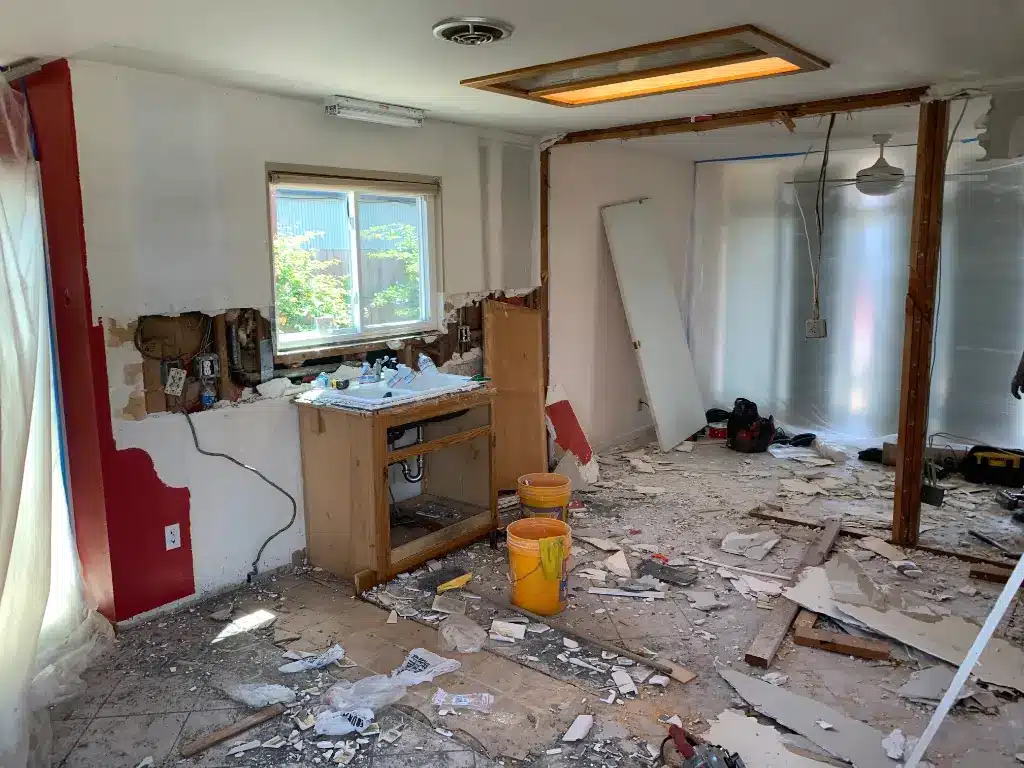
Why Sustainable Kitchen Design Benefits Your Home
Let’s talk about the real payoffs here. Sustainable kitchen design isn’t just about feeling good. It actually improves your daily life in concrete ways. Your home value increases, too.
Eco-friendly materials often last longer than conventional ones. They need less maintenance over the years. Energy-efficient appliances drop your monthly bills noticeably. Better ventilation means fewer mold problems and fresher air. These benefits stick around long after the remodel ends.
Key advantages you’ll enjoy:
- Lower utility bills from efficient appliances and lighting
- Better indoor air quality from low-VOC materials
- Increased home value that appeals to modern buyers
- Reduced maintenance costs with durable materials
- Smaller environmental footprint you can feel good about
The bottom line? Sustainable kitchen design makes sense financially and environmentally. You create a healthier space while saving money. That’s a win-win situation for everyone involved.
Frequently Asked Questions
Is sustainable kitchen design more expensive than traditional remodeling?
How long do eco-friendly kitchen materials typically last?
Most sustainable materials actually outlast conventional options. Bamboo flooring can last 25-30 years with proper care. FSC-certified hardwood cabinets often last 50+ years. Recycled glass countertops are incredibly durable and can last a lifetime. Cork flooring typically lasts 10-15 years before needing replacement. Quality matters more than the material itself.
Can I make my existing kitchen more sustainable without a full remodel?
Absolutely! Start by switching to LED bulbs throughout your space. Replace your faucet with a low-flow model. Add a water filter to reduce bottled water waste. Repaint with low-VOC paint if needed. Upgrade one appliance at a time when they need replacing. Even small changes can significantly reduce your environmental impact.
What's the most impactful sustainable change I can make?
Replacing old appliances with ENERGY STAR models gives the biggest bang for your buck. Your refrigerator, dishwasher, and stove use the most energy. Upgrading these three can cut your kitchen’s energy use by 30-50%. The savings show up immediately on your utility bills. This change also substantially reduces your carbon footprint.
Are there sustainable options for kitchen backsplashes?
Yes, many! Recycled glass tile is popular and comes in beautiful colors. Reclaimed wood creates a rustic look while reusing materials. Recycled metal tiles offer an industrial vibe. Some companies make tiles from recycled porcelain or ceramic. You can even use salvaged brick or stone. The options are endless and look fantastic.
How do I verify that materials are truly sustainable?
Look for third-party certifications, such as FSC (Forest Stewardship Council), for wood products. ENERGY STAR certifies efficient appliances. GREENGUARD certification means low chemical emissions. Cradle to Cradle certification evaluates entire product lifecycles. Ask suppliers for documentation and research company practices. Reputable manufacturers provide clear information about their sustainability standards.
